


If you are suffering from tenderness, pain, or stiffness in the joints of your feet or ankles, call us to schedule an appointment.
If you are suffering from tenderness, pain, or stiffness in the joints of your feet or ankles, call us to schedule an appointment.

Rheumatoid arthritis is an inflammatory disease in which the immune system attacks the joint lining. Many small joints in the feet and ankles can be affected. Inflammation can cause pain, swelling, and warmth. It can also cause stiffness. Symptoms affect both feet and can make standing or walking difficult. Morning stiffness may last longer than with other forms of arthritis. As joint damage progresses, the toes can shift out of position. Bunions, hammertoes, and painful pressure points can then develop. Changes in foot shape may make shoes harder to fit comfortably.
Pain from rheumatoid arthritis can occur in the toes, ball of the foot, or heel. The ankle and the middle or back of the foot can also become sore. Swollen joints may feel tender, while damaged joints can lose movement and stability. Some patients develop thick calluses beneath areas carrying extra pressure. Others notice that the arch flattens or the heel turns outward. These changes can alter how weight moves across the foot when walking. Because rheumatoid arthritis can flare and then become quieter, foot symptoms may vary from day to day. Persistent pain, redness, or swelling requires an evaluation from a podiatrist.
This foot doctor can examine joint movement, foot shape, and tenderness. The evaluation can include X-rays or other imaging tests to check for joint damage. Treatment focuses on reducing pressure, improving support, and preserving mobility. A podiatrist can recommend properly fitted shoes with room for swollen joints or changed toe positions. Custom orthotics can redistribute weight and support unstable areas. Padding or braces can protect tender spots and improve alignment. A podiatrist can also care for painful corns, calluses, or nail problems. When severe joint damage limits movement, the podiatrist can discuss whether surgery is appropriate. If you have symptoms of rheumatoid arthritis in the feet, it is suggested that you schedule an appointment with a podiatrist for effective relief and management solutions.
Because RA affects more than just your joints, including the joints in your feet and ankles, it is important to seek early diagnosis from your podiatrist if you feel like the pain in your feet might be caused by RA. For more information, contact one of our doctors of Coral Desert Foot & Ankle. Our doctors will assist you with all of your podiatric concerns.
What Is Rheumatoid Arthritis?
Rheumatoid Arthritis (RA) is an autoimmune disorder in which the body’s own immune system attacks the membranes surrounding the joints. Inflammation of the lining and eventually the destruction of the joint’s cartilage and bone occur, causing severe pain and immobility.
Rheumatoid Arthritis of the Feet
Although RA usually attacks multiple bones and joints throughout the entire body, almost 90 percent of cases result in pain in the foot or ankle area.
Symptoms
Diagnosis
Quick diagnosis of RA in the feet is important so that the podiatrist can treat the area effectively. Your doctor will ask you about your medical history, occupation, and lifestyle to determine the origin of the condition. Rheumatoid Factor tests help to determine if someone is affected by the disease.
If you have any questions, please feel free to contact one of our offices located in St. George and Kanab, UT, and Mesquite, NV . We offer the newest diagnostic and treatment technologies for all your foot care needs.
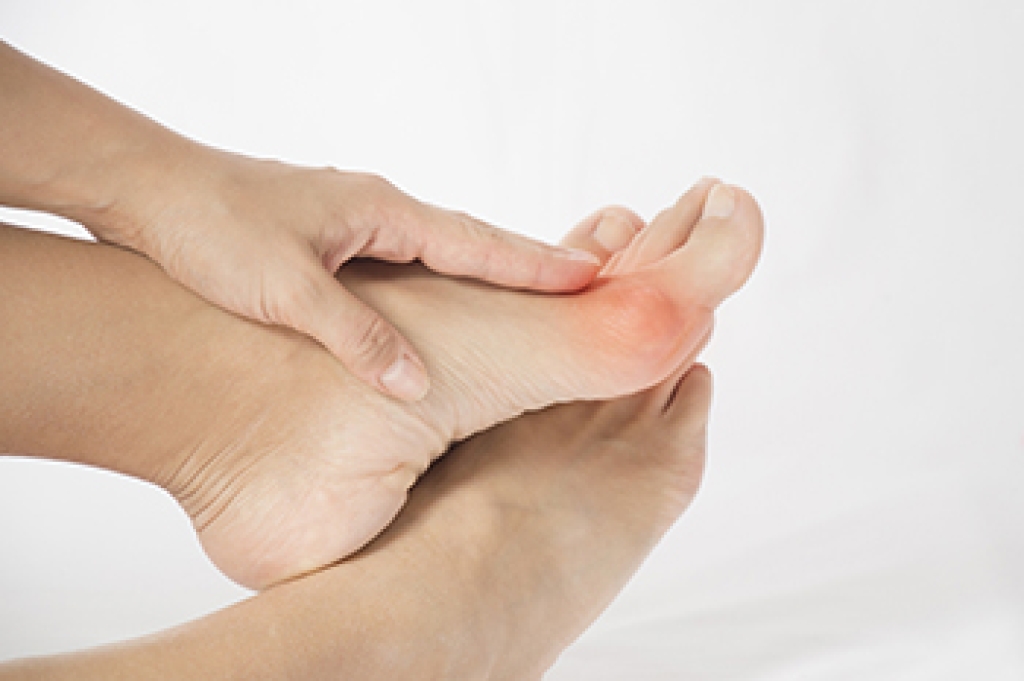
A bunion is a change in the alignment of the big toe joint that creates a noticeable bump along the inside of the foot. As the big toe shifts toward the smaller toes, the joint can become enlarged, red, or painful. Some bunions cause few symptoms, while others can make walking and wearing shoes uncomfortable. Tight-fitting or narrow-toed shoes can place pressure on the area and increase discomfort. A bunion can also develop because of foot structure, certain health conditions, or an earlier foot injury. A podiatrist can examine the foot and determine whether a bunion is causing the symptoms.
A podiatrist can evaluate the position of the big toe and the affected joint during a foot examination. X-rays can also help show changes in the bones and joints. The findings can help determine the severity of the bunion and guide treatment. Professional treatment focuses on improving comfort and reducing pressure on the affected area. A podiatrist can discuss appropriate shoes, foot supports, or other treatment options based on the patient’s needs. When a bunion becomes severe or causes significant pain, surgery can be considered to correct the position of the affected bones and joint. Different surgical procedures are used based on the type and severity of the bunion.
Bunions can also affect the way the foot functions. Pain and changes in toe position can make certain activities harder and can create pressure against shoes. A podiatrist can monitor the bunion and assess changes in pain, movement, and foot alignment. Professional evaluation can also help identify related problems, like corns or irritation around the joint. Treatment decisions depend on the patient’s symptoms, foot structure, and the severity of the deformity. Early evaluation can provide a clearer understanding of the problem and available treatment choices. If you have symptoms of bunions, it is suggested that you make an appointment with a podiatrist for diagnosis and treatment.
If you are suffering from bunion pain, contact one of our doctors of Coral Desert Foot & Ankle. Our doctors can provide the care you need to keep you pain-free and on your feet.
What Is a Bunion?
Bunions are painful bony bumps that usually develop on the inside of the foot at the joint of the big toe. As the deformity increases over time, it may become painful to walk and wear shoes. Women are more likely to exacerbate existing bunions since they often wear tight, narrow shoes that shift their toes together. Bunion pain can be relieved by wearing wider shoes with enough room for the toes.
Causes
Symptoms
In order to diagnose your bunion, your podiatrist may ask about your medical history, symptoms, and general health. Your doctor might also order an x-ray to take a closer look at your feet. Nonsurgical treatment options include orthotics, padding, icing, changes in footwear, and medication. If nonsurgical treatments don’t alleviate your bunion pain, surgery may be necessary.
If you have any questions, please feel free to contact one of our offices located in St. George and Kanab, UT, and Mesquite, NV . We offer the newest diagnostic and treatment technologies for all your foot care needs.

Falls at home can happen quickly. A fall may cause bruises, sprains,or foot and ankle pain. Common symptoms after a fall include swelling, tenderness, and pain when putting weight on the foot. Some injuries may not seem serious immediately, so ongoing discomfort should not be ignored. Anyone can experience a household fall, regardless of age or activity level, and they can affect daily routines and confidence at home too.
Falls prevention starts with making your bedroom safer. Remove clutter from walkways and keep shoes, cords, and other items off the floor. Make sure lighting is bright enough for nighttime movement. A securely attached bed cane can provide support when sitting down or standing up from bed. In the bathroom, install grab bars near the toilet and shower. Non-slip mats can also help reduce slipping. These changes can make movement more stable and reduce hazards.
A fall can lead to several foot conditions, including ankle sprains, toe fractures, and soft-tissue injuries. If foot and ankle pain develops after a fall, a podiatrist can evaluate the injury and determine whether imaging is needed. The examination may include checking swelling, range of motion, and your ability to bear weight. Treatment depends on the injury and may include rest, wearing supportive footwear, or other appropriate care. Follow-up visits help monitor healing.
Preventing falls is about protecting your ability to walk comfortably. Keep pathways clear and use support equipment correctly. Pay attention to new pain after any fall. Prompt podiatric care can help identify injuries before they worsen and support safe healing. If you have foot and ankle pain from falling at home, it is suggested that you consult a podiatrist for effective relief, treatment, and additional prevention tips.
Preventing falls among the elderly is very important. If you are older and have fallen or fear that you are prone to falling, consult with one of our doctors from Coral Desert Foot & Ankle. Our doctors will assess your condition and provide you with quality advice and care.
Every 11 seconds, an elderly American is being treated in an emergency room for a fall related injury. Falls are the leading cause of head and hip injuries for those 65 and older. Due to decreases in strength, balance, senses, and lack of awareness, elderly persons are very susceptible to falling. Thankfully, there are a number of things older persons can do to prevent falls.
How to Prevent Falls
Some effective methods that older persons can do to prevent falls include:
Falling can be a traumatic and embarrassing experience for elderly persons; this can make them less willing to leave the house, and less willing to talk to someone about their fears of falling. Doing such things, however, will increase the likelihood of tripping or losing one’s balance. Knowing the causes of falling and how to prevent them is the best way to mitigate the risk of serious injury.
If you have any questions, please feel free to contact one of our offices located in St. George and Kanab, UT, and Mesquite, NV . We offer the newest diagnostic and treatment technologies for all your foot care needs.
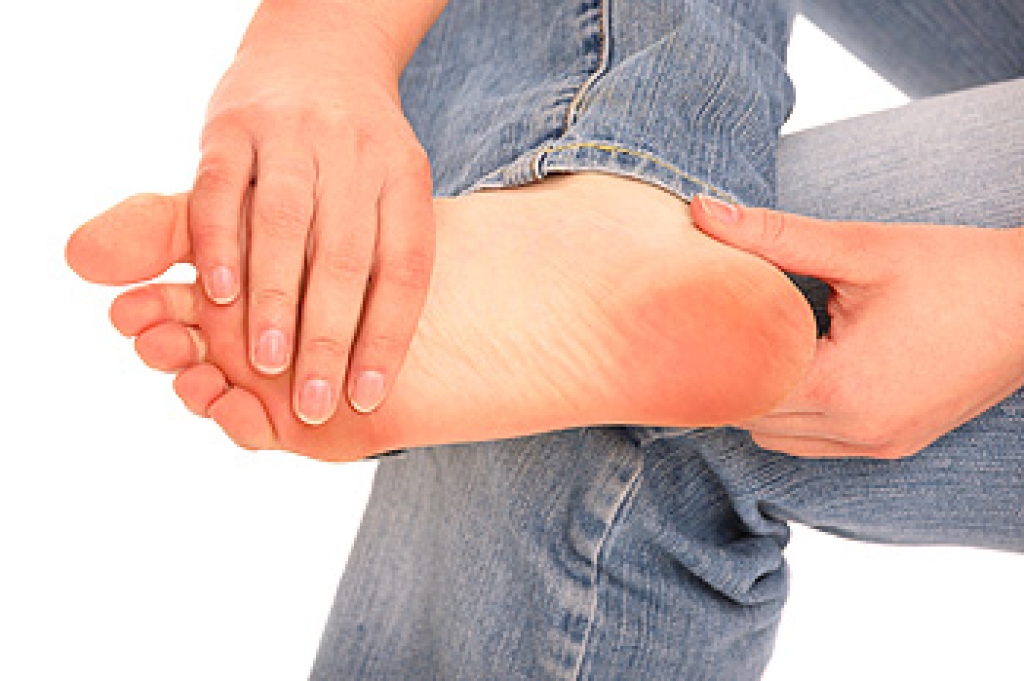
Foot pain can result from several factors, including poor biomechanics, excess weight, inadequate footwear, or underlying medical conditions. Carrying excess weight increases the pressure on joints in the foot, which may lead to inflammation or joint damage. Ill-fitting shoes or high heels may result in bunions, hammertoes, or ankle injuries due to poor support and altered gait. A tight Achilles tendon can impair foot mechanics and contribute to heel pain or strain in the plantar fascia. Repetitive stress from high-impact activities can also trigger conditions such as plantar fasciitis, especially when performed without proper footwear. Age-related balance issues can lead to uneven loading of the foot, increasing fall risk and foot strain. Prolonged standing without rest places sustained pressure on the arches and heels, contributing to foot pain. A podiatrist can evaluate the underlying cause of foot pain and provide effective treatment. If you are experiencing foot pain, it is suggested that you make an immediate appointment with a podiatrist for treatment.
Foot Pain
Foot pain can be extremely painful and debilitating. If you have a foot pain, consult with one of our doctors from Coral Desert Foot & Ankle. Our doctors will assess your condition and provide you with quality foot and ankle treatment.
Causes
Foot pain is a very broad condition that could be caused by one or more ailments. The most common include:
Diagnosis
To figure out the cause of foot pain, podiatrists utilize several different methods. This can range from simple visual inspections and sensation tests to X-rays and MRI scans. Prior medical history, family medical history, and any recent physical traumatic events will all be taken into consideration for a proper diagnosis.
Treatment
Treatment depends upon the cause of the foot pain. Whether it is resting, staying off the foot, or having surgery; podiatrists have a number of treatment options available for foot pain.
If you have any questions, please feel free to contact one of our offices located in St. George and Kanab, UT, and Mesquite, NV . We offer the newest diagnostic and treatment technologies for all your foot care needs.