Blog

Treating Heel Spurs With Podiatric Care

Heel spurs are bony growths that develop on the underside of the heel bone. Although they are often associated with heel pain, not all heel spurs cause symptoms. These growths typically form gradually as a result of repeated stress and strain on the foot. The condition is commonly linked to irritation of the tissues that connect the heel to the toes, as well as long-term tension on the heel bone. When symptoms occur, individuals may experience pain in the heel during walking, standing, or other weight-bearing activities. The discomfort can range from mild irritation to persistent pain that affects daily routines and overall mobility.

Several factors may increase the likelihood of developing heel spurs. Repetitive stress from walking, running, or prolonged standing can place extra pressure on the heel. Certain foot structures and movement patterns may also contribute to increased strain in the area. Over time, the body may respond to this stress by forming a small bony projection where tissues attach to the heel bone. Many people with heel spurs also experience inflammation and irritation in the surrounding soft tissues, which is often the primary source of pain. Because heel pain can result from several conditions, obtaining an accurate diagnosis is important for determining the underlying cause and appropriate treatment plan.

A podiatrist can evaluate heel pain and determine whether a heel spur is contributing to symptoms. Through a comprehensive examination of the foot and ankle, a podiatrist can assess foot structure, gait, and overall function. Professional podiatric care focuses on identifying the source of discomfort and addressing factors that place excessive stress on the heel. Early intervention may help improve mobility, reduce pain, and prevent symptoms from becoming more severe. Maintaining healthy foot mechanics is important for long-term comfort and activity. If you have heel pain related to heel spurs, it is suggested that you consult a podiatrist for an evaluation and appropriate treatment options.

Heel spurs can be incredibly painful and sometimes may make you unable to participate in physical activities. To get medical care for your heel spurs, contact one of our doctors from Coral Desert Foot & Ankle. Our doctors will do everything possible to treat your condition.

Heels Spurs

Heel spurs are formed by calcium deposits on the back of the foot where the heel is. This can also be caused by small fragments of bone breaking off one section of the foot, attaching onto the back of the foot. Heel spurs can also be bone growth on the back of the foot and may grow in the direction of the arch of the foot.

Older individuals usually suffer from heel spurs and pain sometimes intensifies with age. One of the main condition's spurs are related to is plantar fasciitis.

Pain

The pain associated with spurs is often because of weight placed on the feet. When someone is walking, their entire weight is concentrated on the feet. Bone spurs then have the tendency to affect other bones and tissues around the foot. As the pain continues, the feet will become tender and sensitive over time.

Treatments

There are many ways to treat heel spurs. If one is suffering from heel spurs in conjunction with pain, there are several methods for healing. Medication, surgery, and herbal care are some options.

If you have any questions, please feel free to contact one of our offices located in St. George and Kanab, UT, and Mesquite, NV . We offer the newest diagnostic and treatment technologies for all your foot care needs.

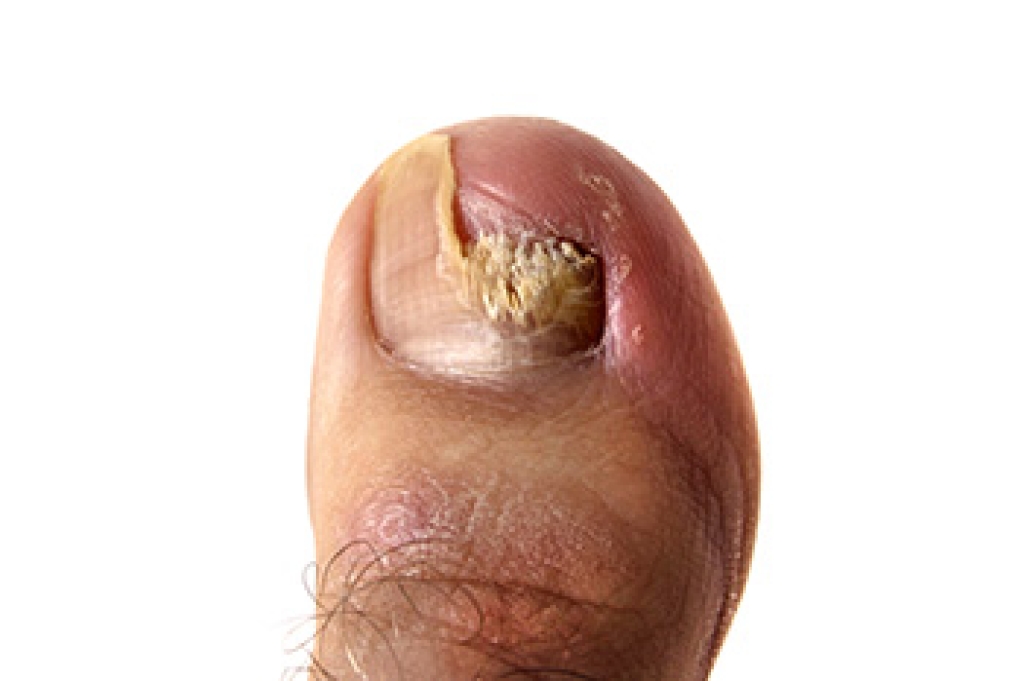
Read more about How to Treat Heel Spurs

What Is Cuboid Syndrome?

The cuboid bone is an oddly shaped bone in the center of the foot surrounded by other bones. The calcaneocuboid (CC) is the joint between the cuboid and heel bones and plays an important part in movement and stability.  Cuboid Syndrome is a painful condition on the outside of the foot which occurs when the cuboid bone is displaced and no longer aligns with other bones, resulting in a loss of joint congruence. It may become difficult to put weight on the foot, stand, walk, or hop. Causes of cuboid syndrome may include obesity, muscle or tendon impairment, flat feet, or inappropriate footwear. If you wear shoe inserts that are poorly made, train on hard surfaces (or overtrain), you may increase your risk of developing cuboid syndrome. Imaging may not be able to detect the loss of congruence in the joint so a podiatrist will perform an examination and clinical tests to make a diagnosis and devise a treatment plan.

Cuboid syndrome, also known as cuboid subluxation, occurs when the joints and ligaments near the cuboid bone in the foot become torn. If you have cuboid syndrome, consult with one of our doctors from Coral Desert Foot & Ankle. Our doctors will assess your condition and provide you with quality foot and ankle treatment.

Cuboid syndrome is a common cause of lateral foot pain, which is pain on the outside of the foot. The condition may happen suddenly due to an ankle sprain, or it may develop slowly overtime from repetitive tension through the bone and surrounding structures.

Causes

The most common causes of cuboid syndrome include:

  • Injury – The most common cause of this ailment is an ankle sprain.
  • Repetitive Strain – Tension placed through the peroneus longus muscle from repetitive activities such as jumping and running may cause excessive traction on the bone causing it to sublux.
  • Altered Foot Biomechanics – Most people suffering from cuboid subluxation have flat feet.

Symptoms

A common symptom of cuboid syndrome is pain along the outside of the foot which can be felt in the ankle and toes. This pain may create walking difficulties and may cause those with the condition to walk with a limp.

Diagnosis

Diagnosis of cuboid syndrome is often difficult, and it is often misdiagnosed. X-rays, MRIs and CT scans often fail to properly show the cuboid subluxation. Although there isn’t a specific test used to diagnose cuboid syndrome, your podiatrist will usually check if pain is felt while pressing firmly on the cuboid bone of your foot.

Treatment

Just as the range of causes varies widely, so do treatments. Some more common treatments are ice therapy, rest, exercise, taping, and orthotics.

If you have any questions, please feel free to contact one of our offices located in St. George and Kanab, UT, and Mesquite, NV . We offer the newest diagnostic and treatment technologies for all your foot care needs.
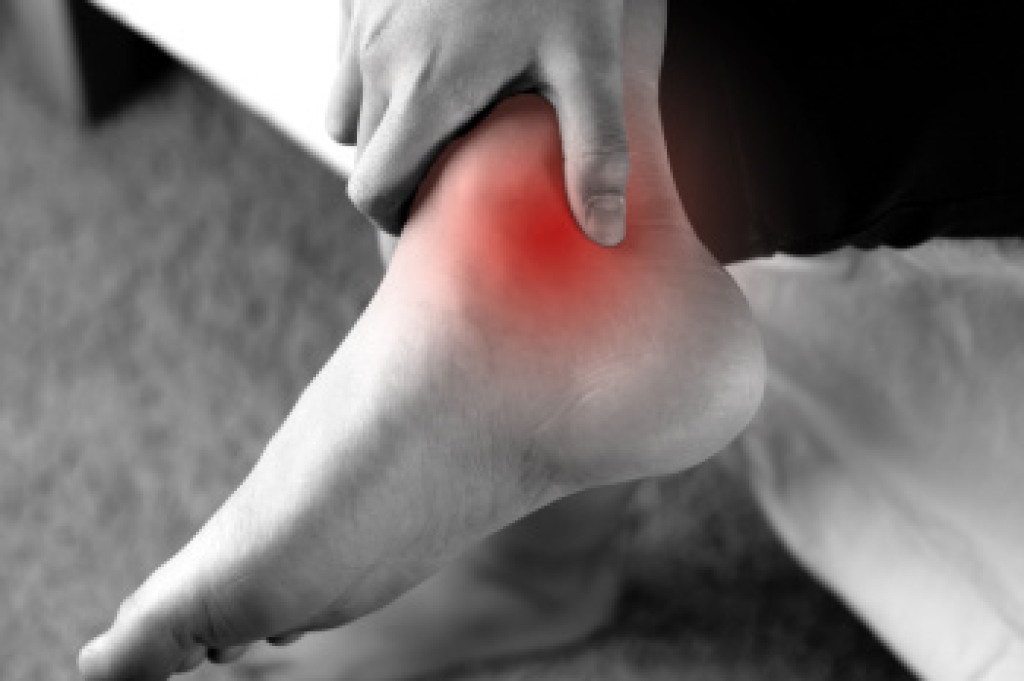
Read more about Cuboid Syndrome

Persistent Toenail Fungus Explained

Toenail fungus is a common infection that affects the nail and the skin underneath it, often caused by dermatophyte organisms that thrive in warm and moist environments. It usually appears as a thickened, discolored nail that may turn yellow, white, or brown, and can become brittle or crumbly over time. Some people notice a mild odor or separation of the nail from the nail bed. The condition develops when fungi enter through small cracks in the nail or surrounding skin, often in places like locker rooms or public pool areas. It is difficult to treat because the infection sits deep under the nail, making it hard for topical products to reach. A podiatrist can confirm the diagnosis, trim and thin the nail, and provide advanced treatments to target the infection effectively. If you have developed toenail fungus, it is suggested that you consult a podiatrist who can effectively treat this condition, which often includes prescribed medication.

For more information about treatment, contact one of our doctors of Coral Desert Foot & Ankle. Our doctors can provide the care you need to keep you pain-free and on your feet.

Toenail Fungus Treatment

Toenail fungus is a condition that affects many people and can be especially hard to get rid of. Fortunately, there are several methods to go about treating and avoiding it.

Antifungals & Deterrence

Oral antifungal medicine has been shown to be effective in many cases. It is important to consult with a podiatrist to determine the proper regiment for you, or potentially explore other options.

Applying foot powder on the feet and shoes helps keep the feet free of moisture and sweat.

Sandals or open toed shoes – Wearing these will allow air movement and help keep feet dry. They also expose your feet to light, which fungus cannot tolerate. Socks with moisture wicking material also help as well.

If you have any questions please contact one of our offices located in St. George and Kanab, UT, and Mesquite, NV . We offer the newest diagnostic and treatment technologies for all your foot and ankle needs.

Read more about Toenail Fungus

Facts About Tarsal Tunnel Syndrome

Tarsal tunnel syndrome is caused by compression of the posterior tibial nerve as it passes through a narrow space along the inside of the ankle. This pressure can develop from flat feet, swelling after injury, or conditions like arthritis or diabetes. Risk factors include poor foot structure, repetitive stress, and inflammation in the area. Symptoms include tingling, burning, numbness, or shooting pain that can extend into the foot and toes. Discomfort may worsen with activity or prolonged standing. A podiatrist can evaluate the condition, identify underlying causes, and recommend treatment options. Included are supportive footwear, prescribed orthotics, or certain medication. If you have pain in this part of your foot, it is suggested that you consult a podiatrist who can diagnose and treat the problem.

Tarsal tunnel syndrome can be very uncomfortable to live with. If you are experiencing tarsal tunnel syndrome, contact one of our doctors of Coral Desert Foot & Ankle. Our doctors can provide the care you need to keep you pain-free and on your feet.

Tarsal Tunnel Syndrome

Tarsal tunnel syndrome, which can also be called tibial nerve dysfunction, is an uncommon condition of misfiring peripheral nerves in the foot. The tibial nerve is the peripheral nerve in the leg responsible for sensation and movement of the foot and calf muscles. In tarsal tunnel syndrome, the tibial nerve is damaged, causing problems with movement and feeling in the foot of the affected leg.

Common Cause of Tarsal Tunnel Syndrome

  • Involves pressure or an injury, direct pressure on the tibial nerve for an extended period of time, sometimes caused by other body structures close by or near the knee.
  • Diseases that damage nerves, including diabetes, may cause tarsal tunnel syndrome.
  • At times, tarsal tunnel syndrome can appear without an obvious cause in some cases.

The Effects of Tarsal Tunnel Syndrome

  • Different sensations, an afflicted person may experience pain, tingling, burning or other unusual sensations in the foot of the affected leg.
  • The foot muscles, toes and ankle become weaker, and curling your toes or flexing your foot can become difficult.
  • If condition worsens, infections and ulcers may develop on the foot that is experiencing the syndrome.

A physical exam of the leg can help identify the presence of tarsal tunnel syndrome. Medical tests, such as a nerve biopsy, are also used to diagnose the condition. Patients may receive physical therapy and prescriptive medication. In extreme cases, some may require surgery.

If you have any questions please contact one of our offices located in St. George and Kanab, UT, and Mesquite, NV . We offer the newest diagnostic and treatment technologies for all your foot and ankle needs.

Read more about Tarsal Tunnel Syndrome

Miami Dolphins WR Parker Sustains Ankle Injury

Miami Dolphins wide receiver DeVante Parker recently suffered an ankle injury while playing against the Tennessee Titans. He was doubtful for the game against the Falcons and wound up not playing. Parker, who was a first round draft pick for the Dolphins, was considered to have the potential to have a good season. Regardless of whether the injury will take him out for an extended period or just one game, losing Parker for any length of time will be a blow for the Dolphins.

Sports related foot and ankle injuries require proper treatment before players can go back to their regular routines. For more information, contact one of our doctors of Coral Desert Foot & Ankle. Our doctors can provide the care you need to keep you pain-free and on your feet.

Sports Related Foot and Ankle Injuries

Foot and ankle injuries are a common occurrence when it comes to athletes of any sport. While many athletes dismiss the initial aches and pains, the truth is that ignoring potential foot and ankle injuries can lead to serious problems. As athletes continue to place pressure and strain the area further, a mild injury can turn into something as serious as a rupture and may lead to a permanent disability. There are many factors that contribute to sports related foot and ankle injuries, which include failure to warm up properly, not providing support or wearing bad footwear. Common injuries and conditions athletes face, including:

  • Plantar Fasciitis
  • Achilles Tendinitis
  • Achilles Tendon Rupture
  • Ankle Sprains

Sports related injuries are commonly treated using the RICE method. This includes rest, applying ice to the injured area, compression and elevating the ankle. More serious sprains and injuries may require surgery, which could include arthroscopic and reconstructive surgery. Rehabilitation and therapy may also be required in order to get any recovering athlete to become fully functional again. Any unusual aches and pains an athlete sustains must be evaluated by a licensed, reputable medical professional.

If you have any questions please contact one of our offices located in St. George and Kanab, UT, and Mesquite, NV . We offer the newest diagnostic and treatment technologies for all your foot and ankle needs.

Read more about Sports Related Foot And Ankle Injuries
Connect with us

Coral Desert Foot & Ankle Podiatry Articles