


If left untreated, an ingrown toenail can lead to more serious concerns, such as an infection. Knowing proper nail care can help in the prevention of an ingrown toenail. Give us a call, and get treated!
If left untreated, an ingrown toenail can lead to more serious concerns, such as an infection. Knowing proper nail care can help in the prevention of an ingrown toenail. Give us a call, and get treated!

Tarsal tunnel syndrome is a nerve condition that develops when the tibial nerve becomes compressed. This happens as it passes through a narrow space on the inside of the ankle called the tarsal tunnel. The pressure can interfere with normal nerve function and lead to ongoing foot discomfort. The condition may be associated with injuries, swelling, or changes in the structures surrounding the nerve. Some people develop symptoms gradually. Others notice discomfort after an ankle injury or increased stress on the foot. Because several foot and ankle conditions can produce similar symptoms, an accurate diagnosis is essential. Early evaluation by a podiatrist can help identify the cause of nerve compression and support timely treatment before symptoms become more severe.
Symptoms of tarsal tunnel syndrome vary, depending on the amount of pressure placed on the nerve. Many people experience burning pain, tingling, or numbness along the inside of the ankle or the bottom of the foot. Others notice sharp, shooting pain that may spread into the toes or heel. Symptoms often become more noticeable after prolonged standing or walking and may gradually interfere with daily activities. As the condition progresses, some individuals also develop weakness in the affected foot. Persistent nerve irritation should not be ignored because ongoing compression may affect normal sensation and foot function. A thorough examination is important to determine whether tarsal tunnel syndrome or another condition is responsible for the symptoms.
A podiatrist specializes in diagnosing and treating conditions that affect the feet, ankles, and surrounding nerves. During an examination, the podiatrist evaluates your symptoms, foot structure, and walking mechanics while looking for signs of nerve compression. Additional testing may be recommended to confirm the diagnosis and rule out other causes of foot pain. Treatment focuses on relieving pressure on the nerve, improving foot function, and reducing discomfort. If you are experiencing burning foot pain, tingling, or numbness that may be related to tarsal tunnel syndrome, it is suggested that you consult a podiatrist for an evaluation and appropriate treatment options.
Tarsal tunnel syndrome can be very uncomfortable to live with. If you are experiencing tarsal tunnel syndrome, contact one of our doctors of Coral Desert Foot & Ankle. Our doctors can provide the care you need to keep you pain-free and on your feet.
Tarsal Tunnel Syndrome
Tarsal tunnel syndrome, which can also be called tibial nerve dysfunction, is an uncommon condition of misfiring peripheral nerves in the foot. The tibial nerve is the peripheral nerve in the leg responsible for sensation and movement of the foot and calf muscles. In tarsal tunnel syndrome, the tibial nerve is damaged, causing problems with movement and feeling in the foot of the affected leg.
Common Cause of Tarsal Tunnel Syndrome
The Effects of Tarsal Tunnel Syndrome
A physical exam of the leg can help identify the presence of tarsal tunnel syndrome. Medical tests, such as a nerve biopsy, are also used to diagnose the condition. Patients may receive physical therapy and prescriptive medication. In extreme cases, some may require surgery.
If you have any questions please contact one of our offices located in St. George and Kanab, UT, and Mesquite, NV . We offer the newest diagnostic and treatment technologies for all your foot and ankle needs.
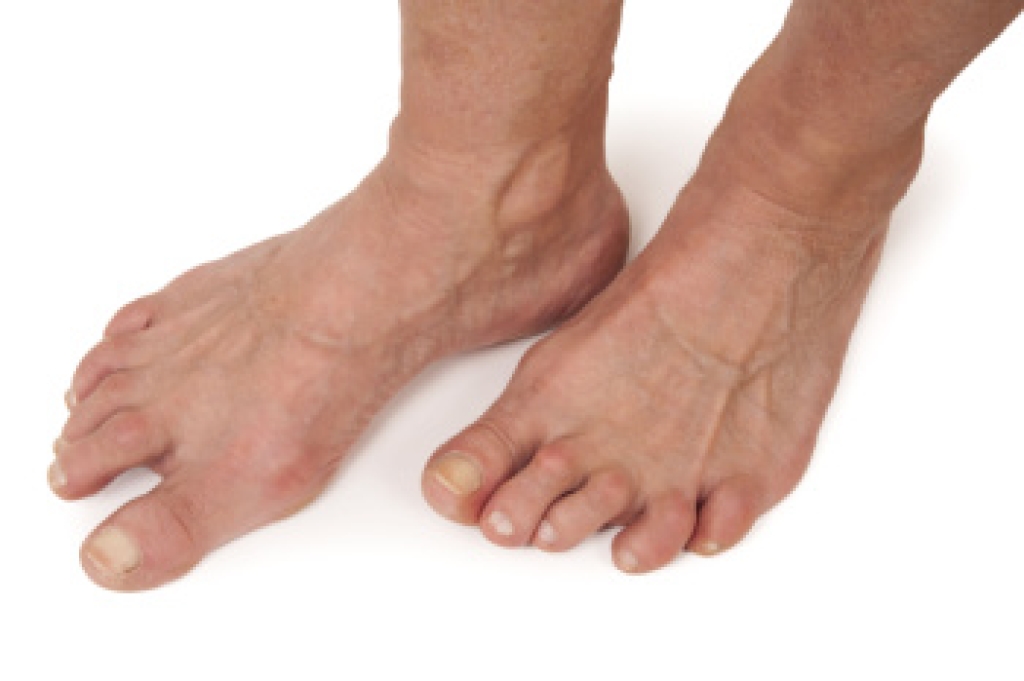
Rheumatoid arthritis is an autoimmune disease that causes the body's immune system to attack the lining of healthy joints. The feet are often affected early, making walking and other daily activities more difficult. Many people experience pain, swelling, and stiffness in the front of the foot or around the toes. As the condition progresses, the joints may become unstable. This can cause changes in foot shape and make it harder to wear comfortable shoes. Rheumatoid arthritis usually affects the same joints on both sides of the body. Without proper treatment, ongoing inflammation can damage bones, joints, and soft tissues, leading to long-term foot problems. Early diagnosis and professional care play an important role in protecting foot health and maintaining mobility.
A podiatrist is an important member of the healthcare team for people with rheumatoid arthritis. During an examination, the podiatrist evaluates joint movement, foot alignment, and areas of pain to see how the condition is affecting the feet. They may also identify deformities or changes that increase pressure when walking. Treatment is based on a person's symptoms and the stage of the disease. It may include custom orthotics, supportive footwear recommendations, or other medical treatments that improve comfort and reduce stress on the joints. Regular podiatry visits also allow changes in the feet to be monitored so treatment can be adjusted as needed.
Professional rheumatoid arthritis foot care can help improve mobility and reduce the impact of joint damage over time. Early treatment may slow the progression of foot problems and help people remain active for longer. A podiatrist works closely with other healthcare providers to support overall treatment while addressing pain and changes that affect the feet. Seeking care early may also help reduce the risk of balance problems and difficulty walking. If rheumatoid arthritis is causing foot pain or swelling, it is suggested that you consult a podiatrist for an evaluation.
Because RA affects more than just your joints, including the joints in your feet and ankles, it is important to seek early diagnosis from your podiatrist if you feel like the pain in your feet might be caused by RA. For more information, contact one of our doctors of Coral Desert Foot & Ankle. Our doctors will assist you with all of your podiatric concerns.
What Is Rheumatoid Arthritis?
Rheumatoid Arthritis (RA) is an autoimmune disorder in which the body’s own immune system attacks the membranes surrounding the joints. Inflammation of the lining and eventually the destruction of the joint’s cartilage and bone occur, causing severe pain and immobility.
Rheumatoid Arthritis of the Feet
Although RA usually attacks multiple bones and joints throughout the entire body, almost 90 percent of cases result in pain in the foot or ankle area.
Symptoms
Diagnosis
Quick diagnosis of RA in the feet is important so that the podiatrist can treat the area effectively. Your doctor will ask you about your medical history, occupation, and lifestyle to determine the origin of the condition. Rheumatoid Factor tests help to determine if someone is affected by the disease.
If you have any questions, please feel free to contact one of our offices located in St. George and Kanab, UT, and Mesquite, NV . We offer the newest diagnostic and treatment technologies for all your foot care needs.

Wound odor can become a frustrating and emotional problem for many patients dealing with chronic or slow-healing foot injuries. Some people become reluctant to participate in activities or spend time with others because they are concerned about the odor. It can also create challenges for family members and medical staff involved in ongoing wound management. Although odor is common in some chronic wounds, it should never be ignored because it may point to changes within the injured tissue that need medical attention. Understanding the cause of wound odor is an important step toward improving both comfort and healing.
In many cases, wound odor develops when bacteria and other microorganisms grow within damaged tissue. As these organisms break down proteins and other material inside the wound, gases may be released that create an unpleasant smell. Heavy drainage, dead tissue, poor circulation, and excess moisture may also contribute to worsening odor. Wounds that remain open for long periods are often more vulnerable to these problems. Patients with diabetes, vascular disease, or reduced mobility may face a higher risk of chronic foot wounds and odor-related complications. Odor becomes more noticeable when wound drainage accumulates beneath a bandage or dressing.
Modern wound care treatments are designed to improve the wound environment while lowering harmful bacterial levels. Proper cleansing, removal of damaged tissue, and advanced dressings can help reduce odor while supporting healthier healing conditions. Some dressings are specially designed to absorb drainage and control bacteria that contribute to unpleasant smells. An odor that becomes stronger or develops suddenly may be a warning sign of infection or tissue breakdown. Redness, swelling, and pain should also be evaluated promptly. Warmth or increased drainage are also warning signs. If you are experiencing persistent foot wound odor or slow-healing foot wounds, it is suggested that you see a podiatrist for a proper diagnosis and appropriate treatment.
Wound care is an important part in dealing with diabetes. If you have diabetes and a foot wound or would like more information about wound care for diabetics, consult with one of our doctors from Coral Desert Foot & Ankle. Our doctors will assess your condition and provide you with quality foot and ankle treatment.
What Is Wound Care?
Wound care is the practice of taking proper care of a wound. This can range from the smallest to the largest of wounds. While everyone can benefit from proper wound care, it is much more important for diabetics. Diabetics often suffer from poor blood circulation which causes wounds to heal much slower than they would in a non-diabetic.
What Is the Importance of Wound Care?
While it may not seem apparent with small ulcers on the foot, for diabetics, any size ulcer can become infected. Diabetics often also suffer from neuropathy, or nerve loss. This means they might not even feel when they have an ulcer on their foot. If the wound becomes severely infected, amputation may be necessary. Therefore, it is of the upmost importance to properly care for any and all foot wounds.
How to Care for Wounds
The best way to care for foot wounds is to prevent them. For diabetics, this means daily inspections of the feet for any signs of abnormalities or ulcers. It is also recommended to see a podiatrist several times a year for a foot inspection. If you do have an ulcer, run the wound under water to clear dirt from the wound; then apply antibiotic ointment to the wound and cover with a bandage. Bandages should be changed daily and keeping pressure off the wound is smart. It is advised to see a podiatrist, who can keep an eye on it.
If you have any questions please contact one of our offices located in St. George and Kanab, UT, and Mesquite, NV . We offer the newest diagnostic and treatment technologies for all your foot and ankle needs.
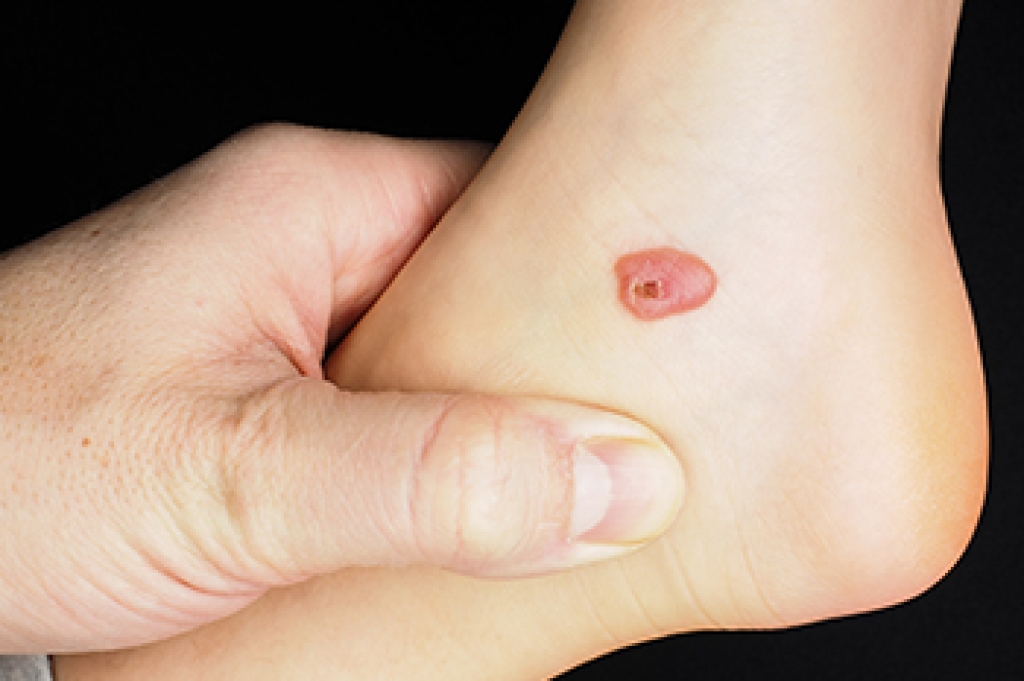
Blistering skin lesions on the feet develop when the outer layer of skin separates due to friction, pressure, or underlying medical conditions. In older adults, these fluid-filled lesions require careful attention because aging skin becomes thinner, less elastic, and more prone to injury. Reduced circulation and slower healing also increase the risk of complications. Common locations include the heels, toes, and soles, where repeated pressure occurs. Identifying blistering early on supports proper care and can help prevent an infection or ulcer from forming. This is especially important in elderly foot-health management.
Symptoms of foot blisters in seniors often include redness, tenderness, swelling, and a visible fluid-filled pocket. Some individuals may experience burning or discomfort while walking, while others may not notice pain due to reduced sensation from nerve-related conditions. As blisters worsen, they may rupture and expose sensitive tissue underneath. Warning signs like increased warmth, drainage, or discoloration may indicate infection. Monitoring these symptoms is essential for maintaining skin integrity and preventing more serious foot conditions.
Several risk factors contribute to blisters in the elderly population. Wearing ill-fitting shoes, prolonged walking, and repetitive pressure are leading causes. Medical conditions like diabetes, peripheral vascular disease, and neuropathy significantly increase vulnerability. Moisture from sweat or improper foot hygiene can weaken the skin barrier, making it easier for blisters to develop. Thin skin and reduced fat padding also decrease natural protection against friction. Understanding these risk factors allows for better prevention strategies and improved foot-care routines.
Proper elderly foot care plays a key role in reducing blister risk and supporting overall foot health. Wearing well fitting, supportive footwear, keeping feet clean and dry, and inspecting the skin daily can prevent complications. Protective padding and moisture control products may also help reduce friction. Early intervention is critical to avoid worsening conditions. If you or if you know of an elderly person who has problems with foot blisters, it is suggested that you consult a podiatrist for effective treatment solutions.
Proper foot care is something many older adults forget to consider. If you have any concerns about your feet and ankles, contact one of our doctors from Coral Desert Foot & Ankle. Our doctors can provide the care you need to keep you pain-free and on your feet.
The Elderly and Their Feet
As we age we start to notice many changes in our body, but the elder population may not notice them right away. Medical conditions may prevent the elderly to take notice of their foot health right away. Poor vision is a lead contributor to not taking action for the elderly.
Common Conditions
Susceptible Infections
Diabetes and poor circulation can cause general loss of sensitivity over the years, turning a simple cut into a serious issue.
If you have any questions, please feel free to contact one of our offices located in St. George and Kanab, UT, and Mesquite, NV . We offer the newest diagnostic and treatment technologies for all your foot care needs.