


Gout is a painful, inflammatory form of arthritis. Those affected will typically feel an intense stiffness in the joints of their feet, particularly in the big toe. Schedule a visit to learn about how gout can be managed and treated.
Gout is a painful, inflammatory form of arthritis. Those affected will typically feel an intense stiffness in the joints of their feet, particularly in the big toe. Schedule a visit to learn about how gout can be managed and treated.
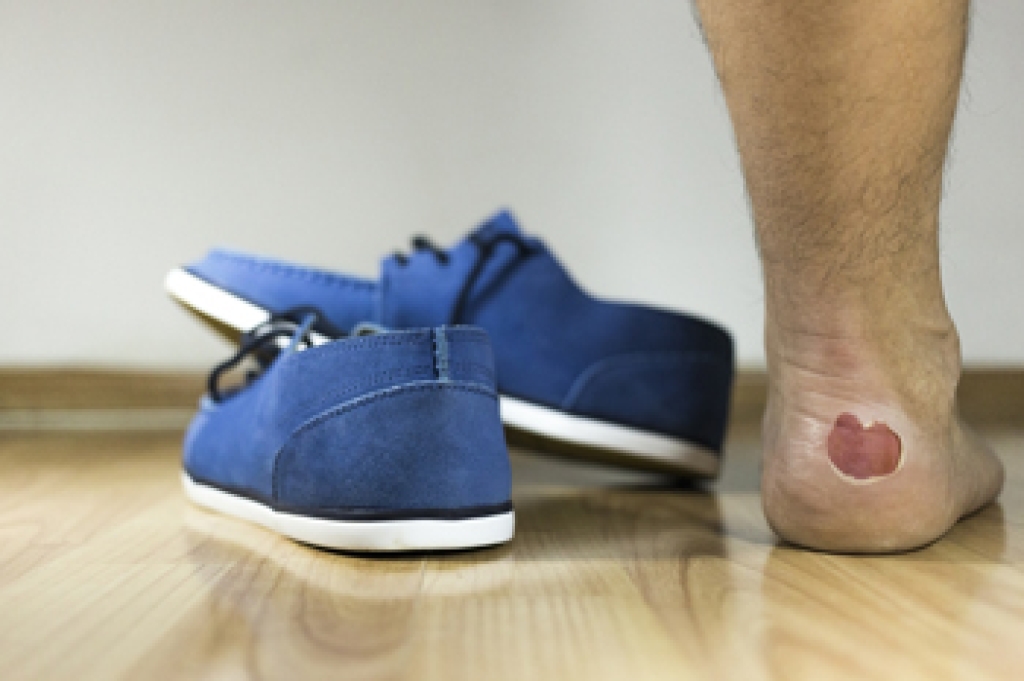
Blisters can develop when skin repeatedly rubs against shoes, socks, or another surface. This friction can damage the upper layers of skin and cause a pocket of fluid to form. Blisters commonly appear on the feet, especially after walking, running, or other physical activity. Shoes that fit too tightly or too loosely can increase friction. Moisture can also make the skin more likely to rub and become irritated. A blister can feel tender, painful, or uncomfortable when pressure is placed on the affected area.
A podiatrist can evaluate a foot blister and determine whether it is related to friction, an infection, or another foot problem. The examination can also help identify factors that could lead to repeated blisters. Podiatric care can include protecting the affected area with appropriate dressings or padding. A podiatrist can also determine whether a large or painful blister needs to be drained safely. This can reduce pressure while helping protect the skin from further damage. Patients with diabetes, poor circulation, or other conditions that affect healing can benefit from prompt evaluation of foot wounds and blisters.
Blisters should also be evaluated when they are persistent, unusually painful, or show signs of infection. These signs can include increased redness, swelling, or worsening pain. A podiatrist can assess the area and provide treatment based on the condition of the skin and the cause of the blister. Professional care can also help address pressure points or other foot concerns that contribute to repeated skin irritation. Identifying these problems can help reduce the chance of additional injury and support proper healing. A podiatrist can also check whether footwear fit, foot structure, or activity-related pressure is contributing to the problem and recommend appropriate professional care to protect the skin. If you frequently develop foot blisters, it is suggested that you schedule an appointment with a podiatrist for effective relief and prevention tips.
Blisters are prone to making everyday activities extremely uncomfortable. If your feet are hurting, contact one of our doctors of Coral Desert Foot & Ankle. Our doctors can provide the care you need to keep you pain-free and on your feet.
Foot Blisters
Foot blisters develop as a result of constantly wearing tight or ill-fitting footwear. This happens due to the constant rubbing from the shoe, which can often lead to pain.
What Are Foot Blisters?
A foot blister is a small fluid-filled pocket that forms on the upper-most layer of the skin. Blisters are filled with clear fluid and can lead to blood drainage or pus if the area becomes infected.
How Do Blisters Form?
Blisters on the feet are often the result of constant friction of skin and material, usually by shoe rubbing. Walking in sandals, boots, or shoes that don’t fit properly for long periods of time can result in a blister. Having consistent foot moisture and humidity can easily lead to blister formation.
Prevention & Treatment
It is important to properly care for the affected area in order to prevent infection and ease the pain. Do not lance the blister and use a Band-Aid to provide pain relief. Also, be sure to keep your feet dry and wear proper fitting shoes. If you see blood or pus in a blister, seek assistance from a podiatrist.
If you have any questions, please feel free to contact one of our offices located in St. George and Kanab, UT, and Mesquite, NV . We offer the newest diagnostic and treatment technologies for all your foot care needs.

Pickleball combines quick starts, sudden stops, and sharp changes in direction on a hard court. These movements place heavy stress on the feet and ankles. An ankle sprain can occur when the joint rolls and stretches or tears its supporting ligaments. Other injuries related to pickleball include plantar fasciitis, Achilles tendon tears, and stress fractures. Plantar fasciitis causes pain where the thick band beneath the foot becomes irritated. Repeated impact can also lead to heel pain or pain in the ball of the foot. Poor balance, fatigue, and shoes that lack proper support can raise the risk of injury.
Symptoms vary with the injured area and damage. An ankle sprain can cause pain, swelling, and bruising. Achilles tendon trouble can produce stiffness above the heel and pain when pushing off. A stress fracture can cause focused pain that grows worse with activity, while plantar fasciitis usually creates sharp heel pain after rest. Sudden inability to bear weight, a visible change in shape, or a popping sound requires prompt attention. Continuing to play through pain can worsen an injury and change the way a player moves. This can strain the opposite foot and legs.
A podiatrist can examine the painful area, test joint movement, and evaluate foot mechanics. X-rays can reveal broken bones or changes in joint alignment. Other imaging can help identify damage to tendons, ligaments, or soft tissue. Treatment depends on the diagnosis and the demands placed on the foot. A podiatrist can provide immobilization, bracing, or custom orthotics to protect the injured area and improve support. The podiatrist can also recommend court shoes with proper cushioning and side-to-side stability. For serious injuries, the treatment plan can include surgery. Evaluation guides a safe return to pickleball. If you have sustained a foot or ankle injury from playing pickleball, it is suggested that you schedule an appointment with a podiatrist for a diagnosis and appropriate treatment.
Ankle and foot injuries are common among athletes and in many sports. They can be caused by several problems and may be potentially serious. If you are feeling pain or think you were injured in a sporting event or when exercising, consult with one of our doctors from Coral Desert Foot & Ankle. Our doctors will assess your condition and provide you with quality foot and ankle treatment.
Common Injuries
The most common injuries that occur in sporting activities include:
Symptoms
Symptoms vary depending upon the injury and in some cases, there may be no symptoms at all. However, in most cases, some form of symptom is experienced. Pain, aching, burning, bruising, tenderness, tightness or stiffness, sensation loss, difficulty moving, and swelling are the most common symptoms.
Treatment
Just as symptoms vary depending upon the injury, so do treatment options. A common treatment method is known as the RICE method. This method involves rest, applying ice, compression and elevating the afflicted foot or ankle. If the injury appears to be more serious, surgery might be required, such as arthroscopic or reconstructive surgery. Lastly, rehabilitation or therapy might be needed to gain full functionality in the afflicted area. Any discomfort experienced by an athlete must be evaluated by a licensed, reputable medical professional.
If you have any questions please contact one of our offices located in St. George and Kanab, UT, and Mesquite, NV . We offer the newest diagnostic and treatment technologies for all your foot and ankle needs.

Athlete’s foot is a fungal infection that affects the skin of the feet. The medical name is tinea pedis. The fungus grows well in warm, moist environments, including locker-room floors, public showers, and swimming-pool areas. It can also grow inside damp socks and shoes. Despite its name, athlete’s foot does not only affect athletes. Anyone can develop the infection. Feet that stay moist for long periods can create conditions that allow the fungus to grow and spread.
Symptoms can differ from one patient to another. Athlete’s foot can cause itching, burning, and scaling, but some infections do not itch. Skin between the toes can become white, cracked, or peeling. The bottoms or sides of the feet can also become red and dry. Blisters can develop in some cases. Athlete’s foot can spread beyond the feet, especially when a person scratches infected skin and then touches another part of the body. The fungus can also spread through clothing and bedding. Other skin conditions can resemble athlete’s foot, making an accurate diagnosis important.
A podiatrist can examine the affected skin and determine whether athlete’s foot or another condition is causing the symptoms. Treatment can include antifungal medication that targets the fungus responsible for the infection. More serious cases can require prescription medication. Severe athlete’s foot can lead to open sores and additional infection when it is not properly treated. A podiatrist can also explain ways to reduce the risk of repeated infections, especially for patients who frequently use gyms, pools, or shared showers. Getting the correct diagnosis helps ensure that a different skin condition is not treated as athlete’s foot. If you have symptoms of athlete’s foot, it is suggested that you schedule an appointment with a podiatrist for a diagnosis and appropriate treatment.
Athlete’s Foot
Athlete’s foot is often an uncomfortable condition to experience. Thankfully, podiatrists specialize in treating athlete’s foot and offer the best treatment options. If you have any questions about athlete’s foot, consult with one of our doctors from Coral Desert Foot & Ankle. Our doctors will assess your condition and provide you with quality treatment.
What Is Athlete’s Foot?
Tinea pedis, more commonly known as athlete’s foot, is a non-serious and common fungal infection of the foot. Athlete’s foot is contagious and can be contracted by touching someone who has it or infected surfaces. The most common places contaminated by it are public showers, locker rooms, and swimming pools. Once contracted, it grows on feet that are left inside moist, dark, and warm shoes and socks.
Prevention
The most effective ways to prevent athlete’s foot include:
Symptoms
Athlete’s foot initially occurs as a rash between the toes. However, if left undiagnosed, it can spread to the sides and bottom of the feet, toenails, and if touched by hand, the hands themselves. Symptoms include:
Diagnosis and Treatment
Diagnosis is quick and easy. Skin samples will be taken and either viewed under a microscope or sent to a lab for testing. Sometimes, a podiatrist can diagnose it based on simply looking at it. Once confirmed, treatment options include oral and topical antifungal medications.
If you have any questions, please feel free to contact one of our offices located in St. George and Kanab, UT, and Mesquite, NV . We offer the newest diagnostic and treatment technologies for all your foot care needs.

A broken or detached toenail occurs when part or all of the nail separates from the skin beneath it. The damage can cause pain, bleeding, and swelling. Dark discoloration can also develop. A loose nail can catch on socks and shoes, which can tear the skin below. Causes include stubbing the toe, dropping a heavy object on it, or repeated pressure from wearing tight shoes. Fungal infections can weaken and thicken the nail until it cracks or lifts. Skin conditions like psoriasis can affect nail growth and cause separation. A detached toenail can take up to 18 months to grow back.
A podiatrist should examine a damaged nail when there is severe pain, bleeding, or a dark area beneath it. An examination can show how much of the nail remains attached and whether the nail bed is injured. The podiatrist can also check for a broken toe or signs of infection. These signs include redness, warmth, and drainage. Patients with diabetes, poor blood flow, or reduced feeling in the feet should seek prompt care for a toenail injury. Even a small wound can become serious when healing is slow or the injury goes unnoticed.
Treatment depends on the cause and extent of the damage. A podiatrist can smooth sharp edges, trim loose portions, and protect exposed tissue. When blood trapped beneath the nail creates pressure, the podiatrist can drain it through a tiny opening. Testing a nail sample can identify a fungal infection and guide treatment. If the nail is badly damaged or infected, removing part or all of it can help the area heal. The podiatrist can also explain whether the nail is likely to return normally. Follow-up visits allow the doctor to watch for infection and check new nail growth. Well-fitted shoes can reduce pressure on the healing toe and help prevent another injury. If you have problematic toenails, it is suggested that you schedule an appointment with a podiatrist for a diagnosis and appropriate treatment.
Toe pain can disrupt your daily activities. If you have any concerns, contact one of our doctors of Coral Desert Foot & Ankle. Our doctors can provide the care you need to keep you pain-free and on your feet.
What Causes Toe Pain?
Most severe toe pain is caused due to a sports injury, trauma from dropping something heavy on the toe, or bumping into something rigid. Other problems can develop over time for various reasons.
Toe pain can be caused by one or more ailments. The most common include:
When to See a Podiatrist
Diagnosis
In many cases the cause of toe pain is obvious, but in others, a podiatrist may want to use more advanced methods to determine the problem. These can range from simple visual inspections and sensation tests to X-rays and MRI scans. Prior medical history, family medical history, and any recent physical traumatic events will all be taken into consideration for a proper diagnosis.
Treatment
Treatments for toe pain and injuries vary and may include shoe inserts, padding, taping, medicines, injections, and in some cases, surgery. If you believe that you have broken a toe, please see a podiatrist as soon as possible.
If you have any questions please contact one of our offices located in St. George and Kanab, UT, and Mesquite, NV . We offer the newest diagnostic and treatment technologies for all your foot and ankle needs.